
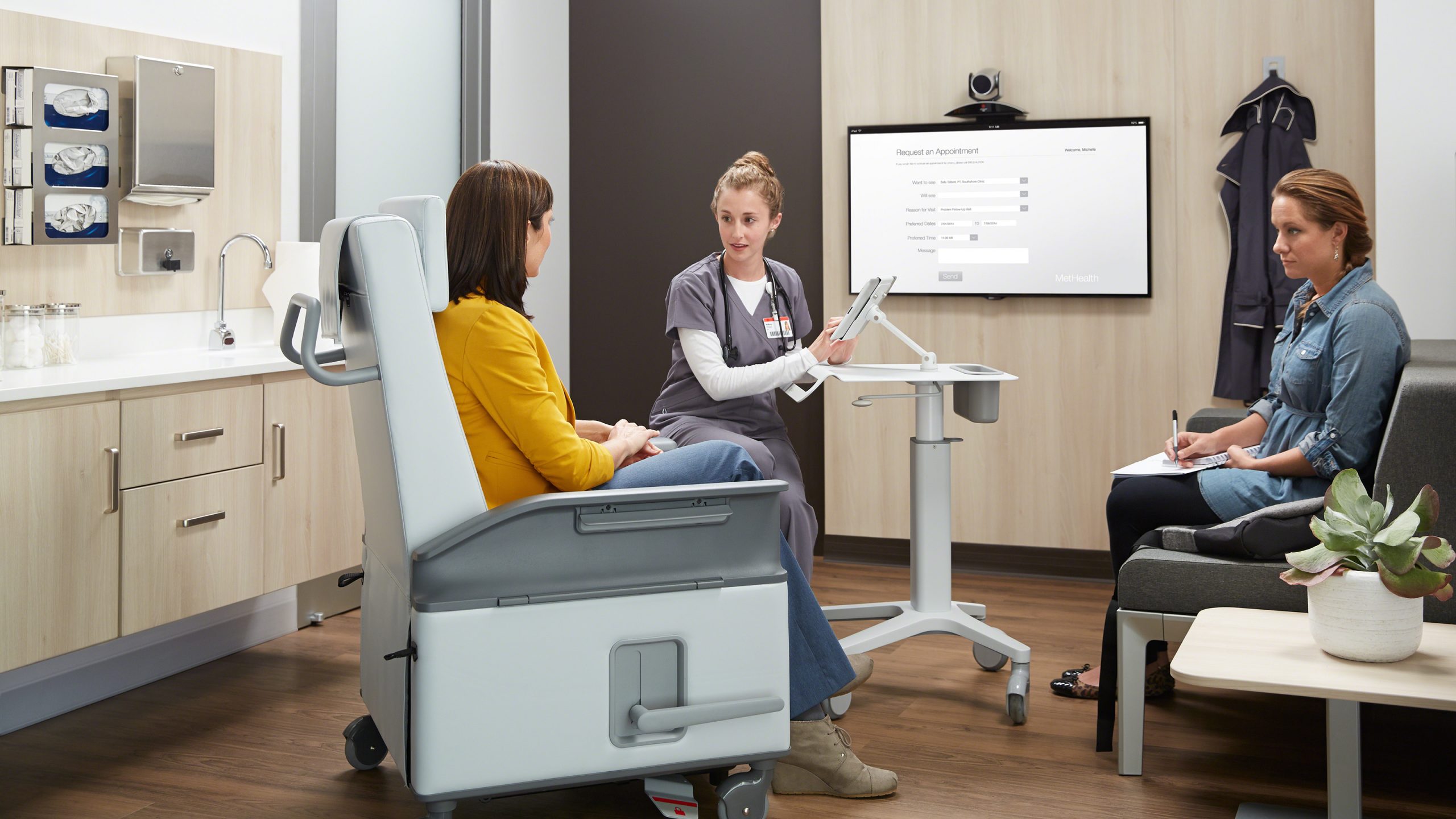
Human Centered Design in Healthcare Interiors
Human Centered Design in Healthcare Interiors
Human-Centered Design is an approach to problem-solving that puts people first. Their needs, their constraints, their contexts and their perspectives. It focuses on users—not necessarily what designers, researchers, or others think users need. The problem-solving process that begins with understanding the human factors and context surrounding a challenge. Designing for real people and their everyday realities helps identify the right problems and solve them efficiently using local capacities and minimal resources.
What is human-centered design?
In the most simplistic term, Human-centered design (HCD) also known as the user-centered design is a product designing approach/philosophy. It focuses on the entire designing and development processes around people who will be buying or using the finished product.
Furthermore, the design is precisely objective, free from assumptions and involves real-life situations and experiences of users. HCR research, testing, and analysis are an integral part of the human-centered design approach.
The term “human-centered” refers to the feeling of closeness & empathy while strengthening the psychological and emotional bond with the users and potential users. The bond here inspires one to come up with unique and awestruck design work resonating with the end-users of the product- HUMANS!
The fact is, healthcare design isn’t just about creating a beautiful space.
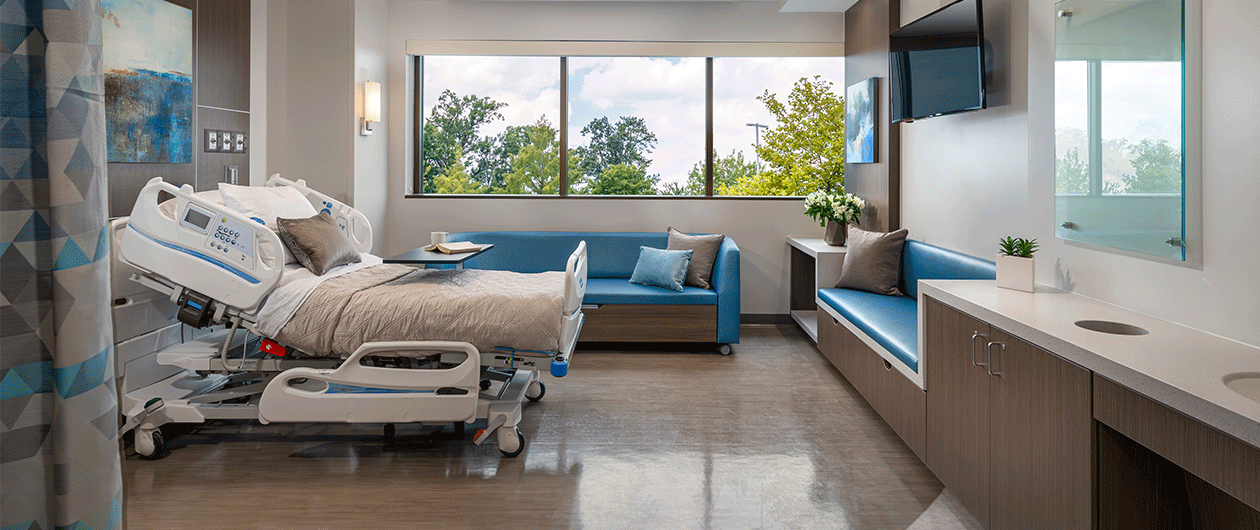
Amidst new legislative reforms, technological innovations and recent changes in medical practices, healthcare is experiencing rapid transformation. But how are these changes affecting institutions and their people?
Traditional design models were once rather simple: design providers would offer the same design to different hospitals with similar planning and conditions while spending little time understanding what makes each of those health institutions unique. However, every hospital has its own values, preferences, concerns and desired design outcomes based on a distinct mix of history, experiences and culture.
As this shifting perception of space began to form, a new approach to healthcare design arose; one that puts the institution, as well as the individuals interacting and living within its space, at the heart of the medical experience.
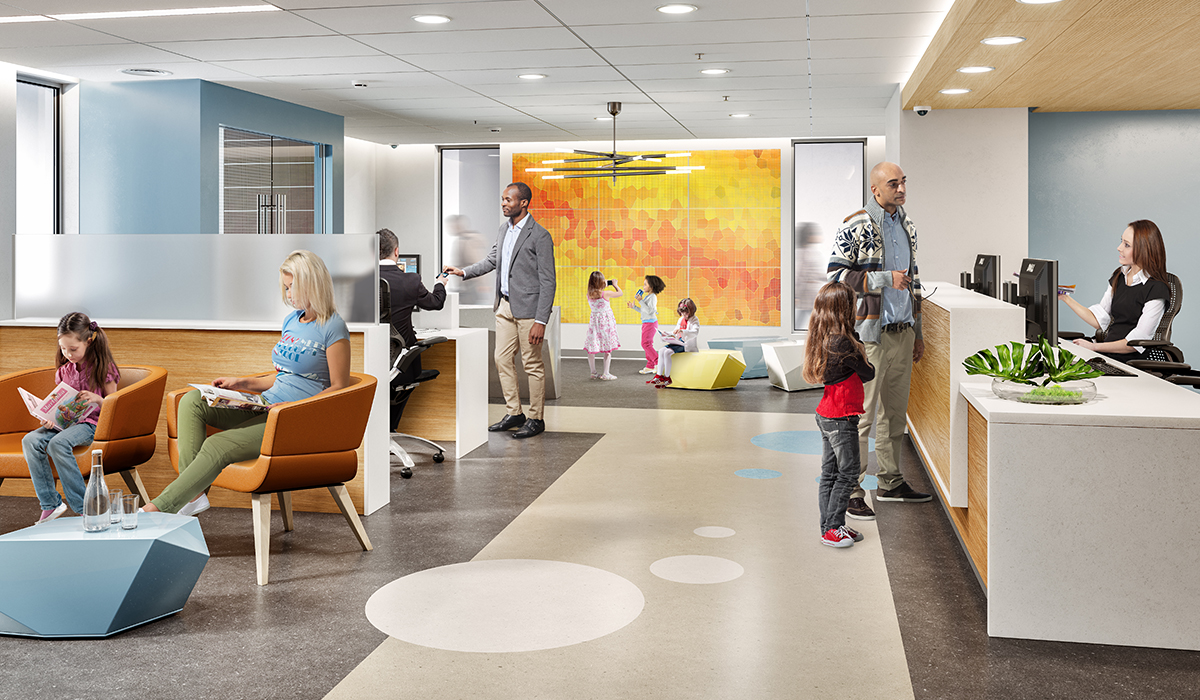
Unlike commercial, educational and hospitality establishments, healthcare facility design projects are quite unusual. Visitors entering a hospital often bring feelings of anxiety, panic and dread. Through patient-centered design, a term frequently used by the media, institutions can accommodate people in their best and worst conditions and incorporate all emotions into the journey to take fear and frustration out of their trip, ensuring a medical care experience of the highest quality.
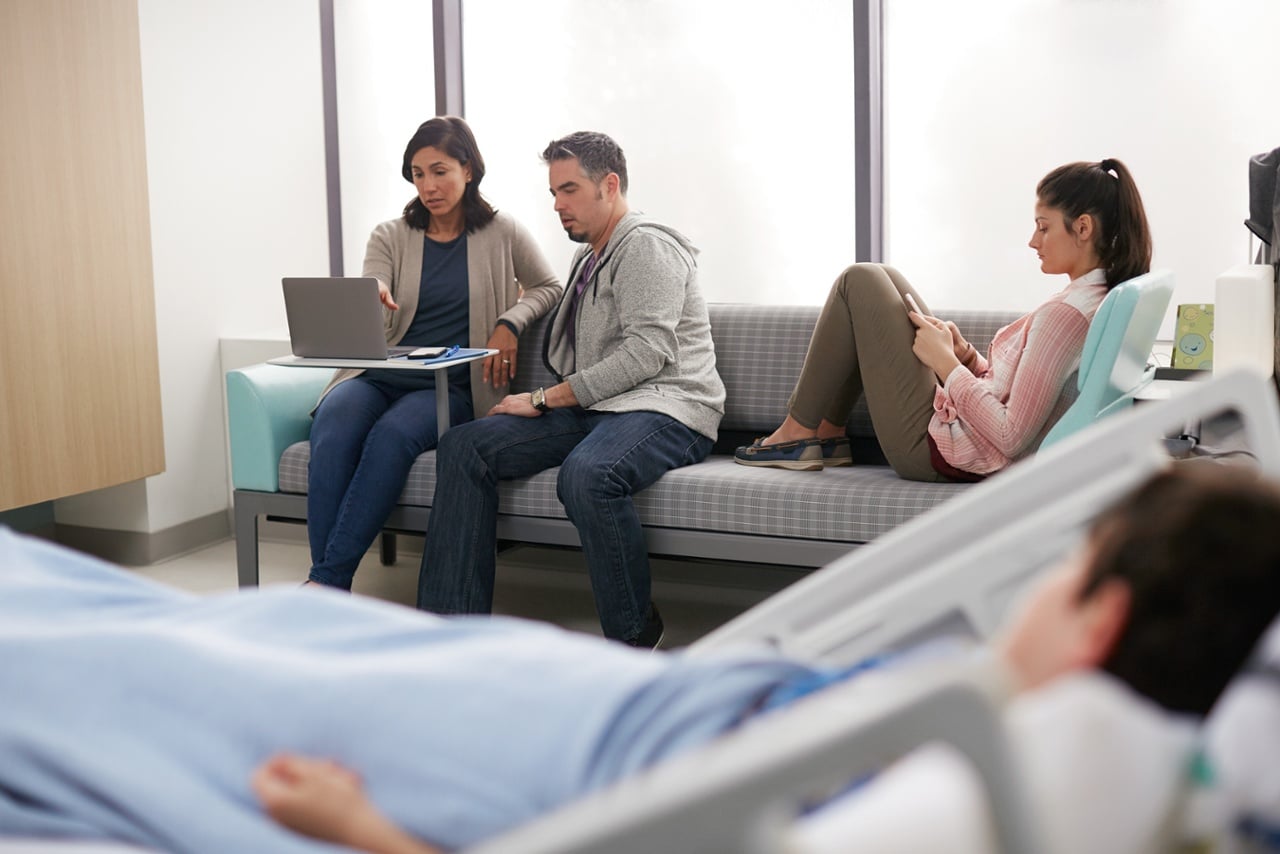
It needs to improve the efficiency of an institution’s operations and provide a comforting, healing environment for patients, their families, visitors and medical staff. By evaluating each driver relative to quality, patient safety and operational cost, we devised a flexible and component-based design solution tailored to the unique preferences and needs of the hospital.
Such healthcare projects take time. They require more transparent communication and engagement between designers and healthcare providers, hospital administrators and policymakers to ensure that all design-driven decisions are made to benefit their people.
Ultimately, putting people at the heart of the experience and collaborating with all partners involved in the process enables us to create environments that enrich lives, working towards a better future.