

Taking the Office Outside
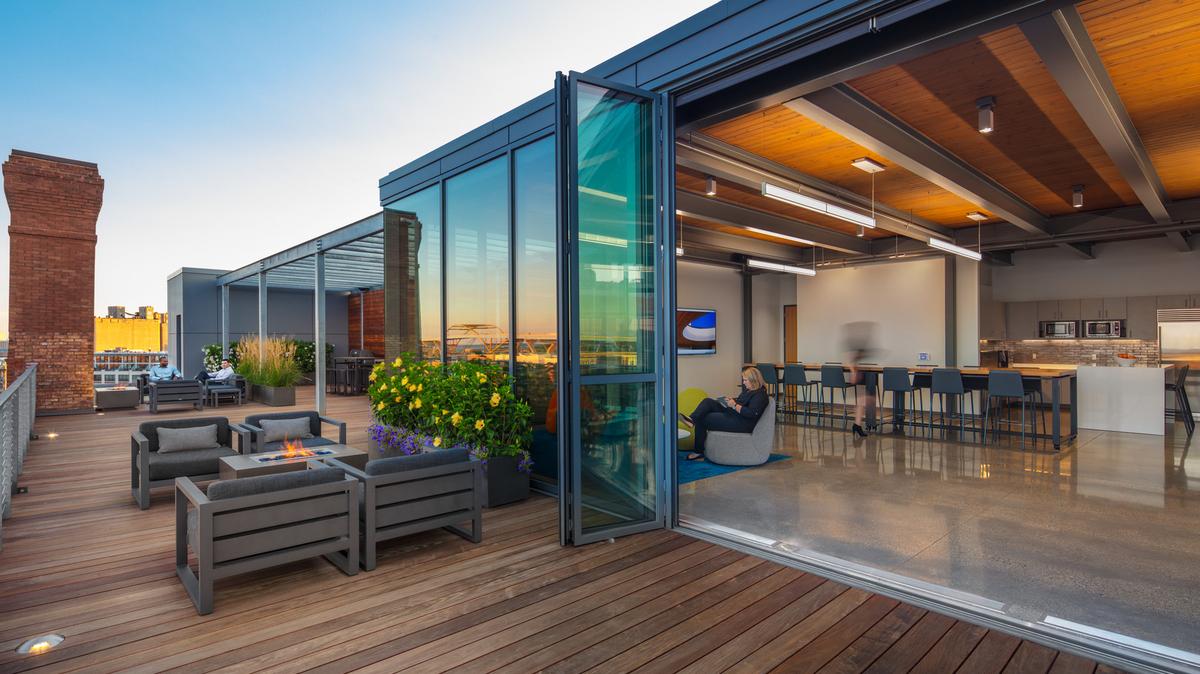
Outdoor working, much like outdoor dining, is in high demand as employees begin returning to the office in parts of the world. Organizations are implementing a wide range of measures to help create safe workplaces — and to help employees feel safe. As improved ventilation becomes a key strategy for mitigating COVID-19 transmission, outdoor work areas offer a way for people to have the human interactions they crave to be productive.
People love to be outside for all kinds of reasons, but often the spaces at work are designed for social interactions, like having lunch outside, or respite. But it’s possible to create productive outdoor workspaces where people can benefit creatively and feel safe.

Benefits of Creating Outdoor Workspaces
Outdoor workspaces can help organizations re-establish a sense of community for people who have been working from home for months. Comfortable outdoor meeting spaces give people a place to connect with nature, and reduce stress to counter mental fatigue.
Tips for Designing Outdoor Workspaces
Keep a 6ft/2m physical distance.
Just because people are outside doesn’t mean they should forget about protocols while collaborating, working alone, socializing or taking a break. Seating needs to be intentional to create physical distancing between users.
Offer a range of spaces to accommodate multiple work modes.
Besides conversations, solo work and social connections, outdoors spaces can support collaborative meetings or larger team stand-ups.
Outdoor power solutions are critical.
Place furniture near power, when possible. Staying plugged in and fully charged is crucial to being able to work outside.
Rugs and floor patterns
Can help with wayfinding and communicate appropriate circulation paths.
Protect people from the sun
Help them see their computer screens — with trees, umbrellas or shades.
Use flexible furniture pieces.
Small ottomans or stools that can be easily moved, allowing more people to join a meeting while staying distanced. They can also serve double-duty as side tables. Stick with light colors to minimize the heat absorbed by the furniture.
Use seating designed for work.
Seating that supports a variety of postures. Avoid using lawn chairs that can lead to bad posture and discomfort.
Elements such as parasols or planters.
Can create personal boundaries and act as friendly barriers between settings.
Add worksurfaces
Personal tables to lounge areas to support computers at the proper ergonomic height. This can also function as a visual cue to indicate the amount of people allowed in the seating area.