
Healthcare clinic design consideration
Healthcare clinic design consideration
When considering how best to redesign your healthcare clinic, it’s likely you will have heard about architectural elements that work and those that don’t. The affect of color on mood and open-plan style practices are examples of common medical design trends. However, there are actually more factors to consider before starting your interior design project than you might think.
To help you develop a work environment perfectly suited to your brand and patients, here are three central concepts you need to keep in mind for excellent healthcare clinic design.
1. Adaptable spaces.
2. Biophilic designs.
3. Integrated technology.
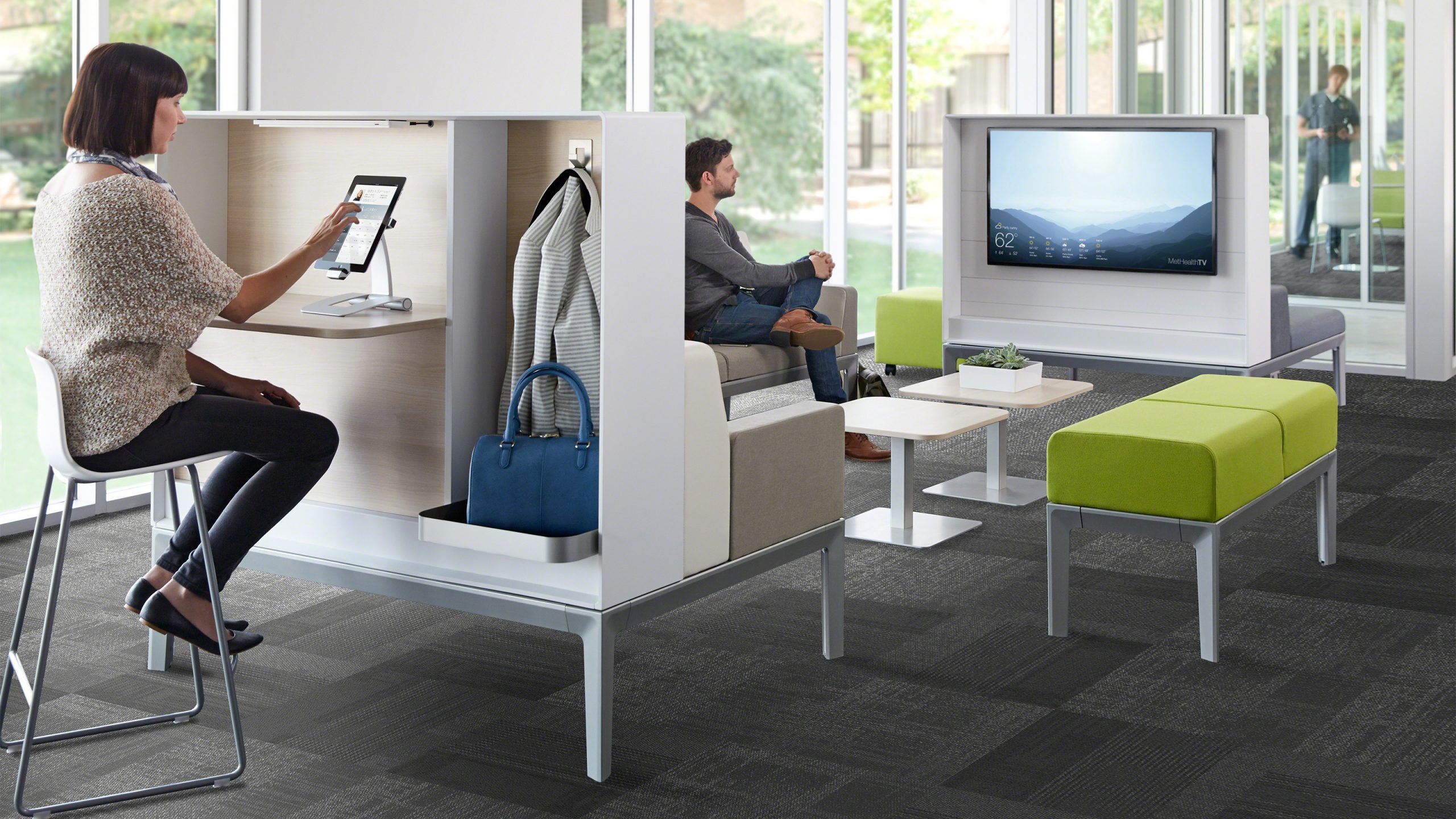
Adaptable spaces
Manoeuvrable furniture and fixtures is an emerging trend in the medical design world. This is particularly true of patient waiting areas, where the chance to arrange furniture to suit individual requirements helps visitors feel more at home. Extending this further to having mobile partitions furthers this feeling of control, and allows patients to adapt the space as needed. Consider this example – if a family are waiting together, they can rearrange seats to gather closer. Meanwhile, those waiting alone who want privacy can rearrange the space for peace and quiet.
This adaptability extends to treatment spaces too. If healthcare professionals and other staff can expand or divide consultation rooms as needed, the clinic can more flexibly meet the needs of different volumes and types of incoming and outgoing patients. As an example, ‘shell spaces’ can be an excellent option for periods of high patient demand. Shell spaces are rooms that are infrequently used, such as conference areas.
By putting adaptability at the forefront of your design plan, you can transform these spaces into a temporary consultation room, private waiting area or additional staff office space as needed.
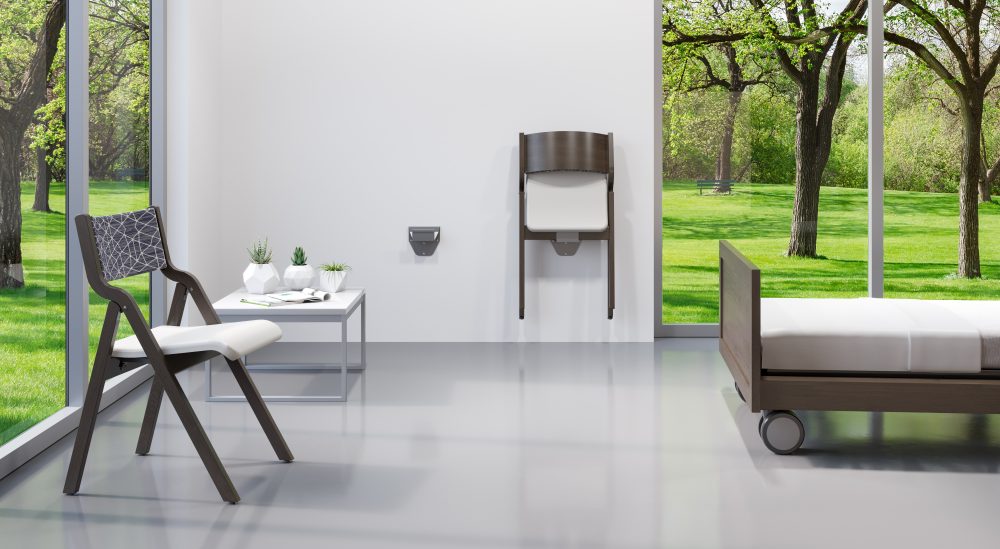
Biophilic designs
Biophilic design can be described simply as ‘bringing the outside indoors’. Integrating elements of the natural world into the design of your clinic will relax patients and make the space feel more open. Inviting more natural light into your practice through floor-to-ceiling windows, glass curtain walls, and skylights is a good first step. Increased daylight exposure can also help to reduce the levels of bacteria found in dust and dead human skin cells.
Other elements such as water features and vegetation create an ambiance of natural tranquility that will further calm your patients and improve their mood. On top of this, more plants within your interior design will also increase oxygen levels – a natural relaxant!
Where adding green spaces or extending windows isn’t an option, consider man-made alternatives to replicate this, including using earthy paint tones or switching the coloring of lighting from ‘cold’ white light to ‘warmer’ yellow light. Even fake plants give the impression of a natural environment, setting you on the way towards a more biophilic-friendly space!
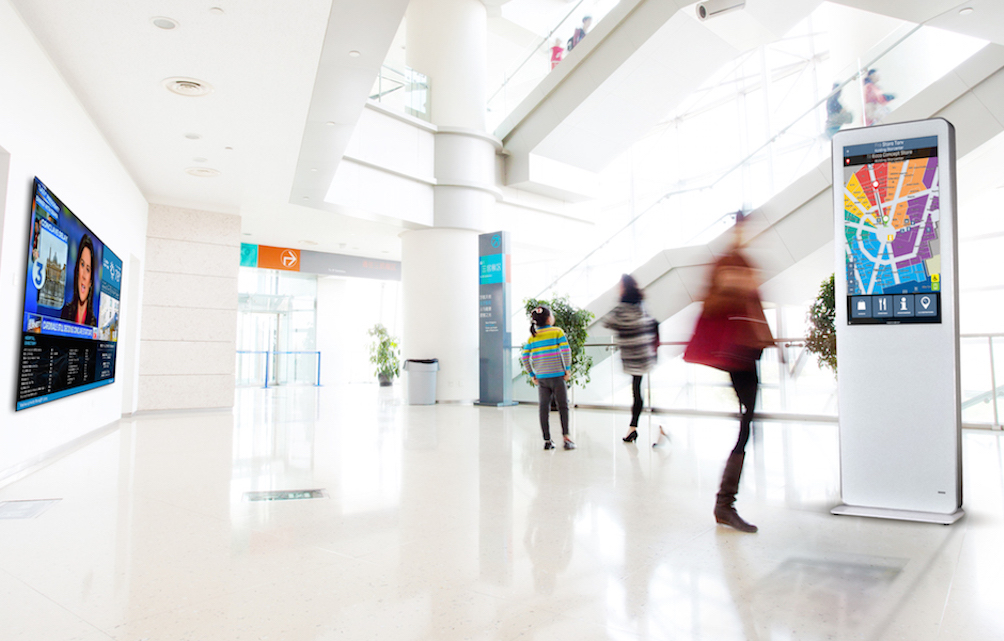
Integrated technology
As technology advances, so should the ways they are used in healthcare facilities. Digital check-in kiosks and patient survey stations are both ideas to consider in a clinic redesign.
Digital kiosks streamline the patient check-in process and improve immediate access to information. Integrating these machines into waiting or reception areas removes the need for a large check-in office desk separating the public from your staff. You can then redesign your waiting area with patient seating while still retaining efficient customer processing. Additionally, a digital kiosk can allow patients to access assistance or personal medical information without needing to ask your staff for help.